Money You Can't Touch Isn't Money: The Case for the Scheduled Cash-Out
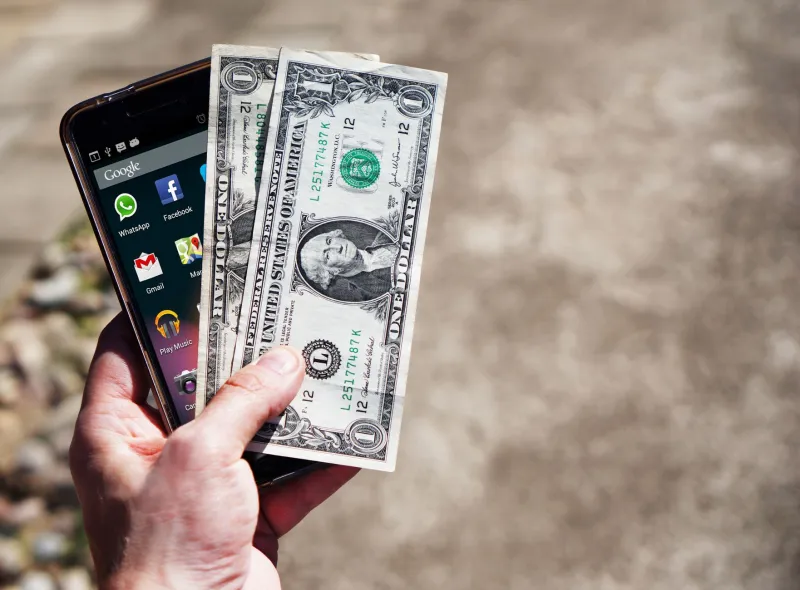
There's a moment every bettor knows well. You're up a few hundred on the month, the app balance looks healthy, and you tell yourself the same thing everyone tells themselves: I'll leave it in there. Rolling it back is how you build a real bankroll.
Then Week 12 of the NFL season happens. Or an NBA slate goes sideways. Or you convince yourself you've found an edge in a sport you watched for the first time that afternoon. And that healthy balance? Gone.
Here's the uncomfortable truth: a balance sitting in your sportsbook account isn't winnings. It's a number on a screen that the house is more than happy to let you turn back into action. The only version of a win that actually counts is the one you can spend.
The Balance Is a Trap, Not a Trophy
Sportsbooks are built — down to the pixel — to keep money in play. Your balance is displayed prominently. Withdrawing takes a few taps but never feels urgent. Depositing, on the other hand, is fast, frictionless, and often dressed up with a bonus offer.
That asymmetry is by design. Every dollar sitting in your account is a dollar the book knows you're likely to wager. The longer it sits, the more likely it gets folded back into bets. It's the casino chip model, digitized: chips on the table don't feel like money until you walk to the cage.
The fix isn't willpower. It's structure. And that's where the scheduled cash-out comes in.
Treat Withdrawals Like a System, Not a Surrender
Most bettors frame a withdrawal as taking money away from their betting operation. Flip that. A scheduled cash-out is the single most important deliverable your betting system produces. If your strategy can't regularly produce money you actually pull out, it isn't a winning system — it's a hobby with extra steps.
Here's a simple framework to run it:
1. Set a withdrawal trigger, not a schedule alone. Pick a threshold — say, every time your bankroll grows 25% above its starting point — and pull a fixed chunk the moment you cross it. Triggers beat calendar dates because they're tied to performance, and they remove the temptation to wait for "one more good weekend."
2. Take a meaningful percentage. A token $20 withdrawal is a gesture, not a discipline. Many experienced bettors pull 30–50% of net profits on each trigger. That's enough to make the money real, while leaving genuine bankroll fuel behind.
3. Send it somewhere inconvenient. Withdraw to a separate bank account you don't touch — not back onto a card linked to your betting deposits. Distance is the point. Some bettors route cash-outs into a savings bucket labeled for something concrete: a trip, a big purchase, holiday spending. Money with a destination is harder to claw back.
4. Track it. Log every withdrawal next to every wager. Over a season, that column becomes the most honest performance review you'll ever have. It also pairs well with keeping a written bet log — your memory will lie to you about how you're doing; the withdrawal record won't.
The 'House Money' Mirage
The biggest psychological obstacle to cashing out is the phrase "it's house money anyway."
That money came from your pocket at some point. Once it's won, it's yours — the sportsbook doesn't get to reclassify it as a free roll just because it started as your deposit. Yet bettors take wildly riskier shots with profits than they ever would with a fresh deposit, pressing outrageous parlays and live bets they'd never touch otherwise. The result is predictable: the book gets it all back, and the bettor remembers it as a fun ride rather than a blown bankroll.
A scheduled cash-out breaks that spell. When you've pulled $400 off the table this month, a losing streak stings less and a reckless "house money" parlay loses its appeal — because you've already proven to yourself that this money becomes real on a regular basis. You don't have to win it back. It's not trapped.
What Cashing Out Actually Tells You
There's a deeper reason to make withdrawals routine: they're a diagnostic. If you can regularly withdraw, your system works. If you haven't cashed out in three months, that's not a betting problem — that's a system problem, and it's telling you something before your balance does.
Think of it like a business. Revenue that never converts to profit isn't revenue. A bettor who turns a modest profit twice a year but never withdraws is running a business that pays nobody.
Start Small, Start Now
If you've never made a planned withdrawal, try this: take 20% of whatever you're up right now — or 10% of your balance if you're roughly even — and pull it out today. Not after the weekend. Not after the primetime game. Today.
Notice how it feels. For most bettors, the first real cash-out is surprisingly satisfying in a way no winning ticket matches. That feeling is the whole point. Betting should occasionally pay you, not just the next wager.
Play bold. Bet smart. And every so often, take the money off the table — because the smartest bet you'll ever make is the one that ends with cash in your hands.